-
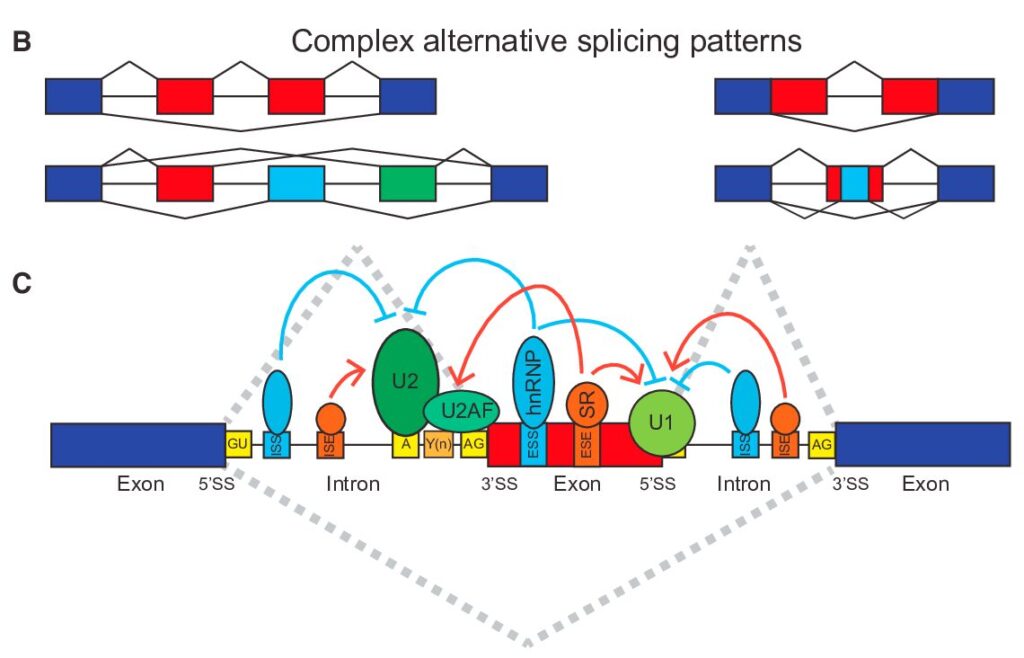
How to Analyze RNAseq Data for Absolute Beginners Part 11: Mastering Transcript-Level Alternative Splicing Analysis
From Gene-Level to Transcript-Level Analysis In our previous exploration of gene-level splicing analysis, we laid the groundwork for understanding how alternative splicing shapes gene expression. Now, we’re taking a deeper dive into the fascinating world of transcript-level analysis, where we can uncover the intricate details of how genes produce different protein variants through alternative splicing.…
//
-

How to Analyze RNAseq Data for Absolute Beginners Part 10: Isoform Analysis
If you’ve followed our previous tutorials on RNA-seq analysis, you’re already familiar with gene-level analysis. But genes are far more complex than simple on/off switches – they can produce multiple versions of RNA transcripts through fascinating processes like alternative splicing. These different versions, called isoforms, allow a single gene to create multiple protein products, dramatically…
//
-
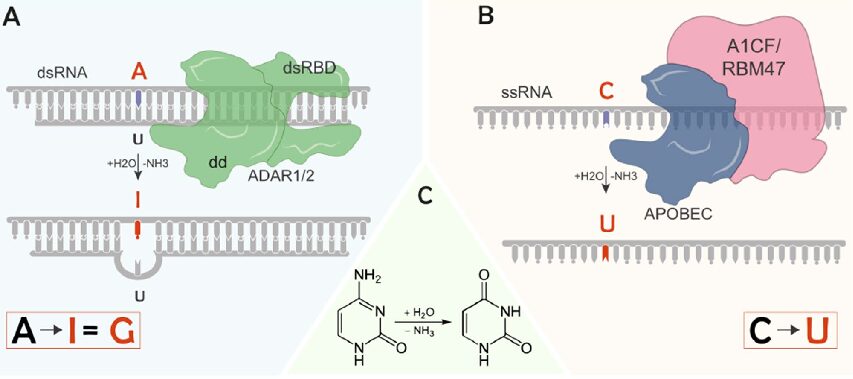
How to Analyze RNAseq Data for Absolute Beginners Part 9: RNA Editing Analysis
RNA editing represents one of the most fascinating mechanisms in molecular biology – a process that introduces targeted changes to RNA sequences after transcription, creating a dynamic transcriptome that diverges from the genome’s blueprint. Through this tutorial, you’ll learn how to analyze RNA editing events from RNA-seq data, uncovering these crucial modifications that fine-tune gene…
//
-

How to Analyze RNAseq Data for Absolute Beginners Part 8: Alternative Splicing Analysis
Introduction The human genome harbors an elegant solution to the challenge of biological complexity. Through alternative splicing (AS), a single gene can orchestrate the production of multiple protein variants, much like a composer creating different melodies from the same set of musical notes. This remarkable mechanism serves as nature’s way of expanding our proteome’s diversity,…
//
-

How to Analyze RNAseq Data for Absolute Beginners Part 7: Unlocking Cell-Type Resolution from Bulk RNA-seq Data With Deconvolution Analysis
Understanding Bulk RNA-seq Deconvolution Analysis: Unraveling Cellular Complexity In the ever-evolving landscape of molecular biology, bulk RNA sequencing has emerged as a fundamental technology for understanding gene expression patterns. However, like peering through a frosted window, bulk RNA-seq provides only an averaged view of the complex cellular world within our tissues. This challenge has given…
//
-

How to Analyze RNAseq Data for Absolute Beginners Part 6: A Comprehensive Guide for Cancer Subtype Prediction
Meta Description: Learn how to predict cancer subtypes using RNA-seq data through practical implementations of PAM50, genefu, and GSVA methods. Perfect for bioinformaticians and computational biologists working with gene expression data. Introduction Cancer subtype prediction from RNA-seq data is crucial for personalized medicine and treatment optimization. This tutorial, part 6 in our RNA-seq analysis series,…
//
-

How to Analyze RNAseq Data for Absolute Beginners Part 5: From DEGs to Pathways – Best Practices
Introduction After completing the data preparation, statistical testing, and visualization steps, we’re finally ready to explore the biological significance of our RNA sequencing data. As biologists, this is the moment we’ve been waiting for – but how do we make sense of the hundreds or thousands of differentially expressed genes (DEGs) we’ve identified? Living organisms…
//
-

How to Analyze RNAseq Data for Absolute Beginners Part 4: A Complete Guide to Creating Publication-Ready Figures
Introduction After identifying differentially expressed genes (DEGs), the next crucial step is visualizing your results effectively. Strong visualizations don’t just make your data look pretty – they transform complex genomic information into clear, interpretable insights that can reveal hidden patterns and biological stories within your data. In this tutorial, you’ll learn how to create publication-quality…
//
-

How to Analyze RNAseq Data for Absolute Beginners Part 3: From Count Table to DEGs – Best Practices
As we move forward in our RNAseq analysis journey, we’ll be transitioning from the Linux environment to R, a powerful and versatile statistical analysis tool. R is not only a programming language but also a platform widely used in data science, statistical computing, and predictive modeling. Tech giants like Microsoft, Meta, Google, Amazon, and Netflix…
//
-

How to Analyze RNAseq Data for Absolute Beginners Part 2: From Fastq to Counts – Best Practices
Introduction The most straightforward way to obtain a count table is to request it directly from your sequencing company or your institution’s sequencing core. This option may involve an additional fee. However, for those eager to learn or save money, let’s walk through the process together. Before we dive in, a quick reminder: If you…
//

Search
Subscribe
Categories
- ATAC-seq (7)
- bulk RNA-seq (27)
- chromatin accessibility (14)
- Database (4)
- Epigenetics (14)
- Genomics (12)
- HPC (6)
- Insights (1)
- Metagenomics (1)
- RNA-seq (20)
- Scientific Programming (6)
- Single Cell Sequencing (27)
- Transcriptomics (28)
Recent Posts
- Bioinformatics Isn’t Dead. The Pipeline-Runner Is.

- How to Analyze Single-Cell ATAC-seq Data — A Complete Beginner’s Guide Part 7: Genome-Wide Differential TF Activity with chromVAR and limma

- How to Analyze Single-Cell ATAC-seq Data — A Complete Beginner’s Guide Part 6: Footprinting Analysis

- How to Analyze Single-Cell ATAC-seq Data — A Complete Beginner’s Guide Part 5: Differential Accessibility Analysis

Tags
Alternative Splicing Analysis ATAC-seq BAM ChIP-seq chromatin accessibility DESeq2 Differential Expression edgeR FASTQ GATK Mutect2 gene expression GSE282769 heatmap HOMER HPC Isoform limma MACS2 miRNA miRNA-seq MSigDB Normalization peak calling Pixi bioinformatics environment RNA-seq single-cell epigenomics beginners guide SLURM somatic mutations Transcript whole genome sequencing